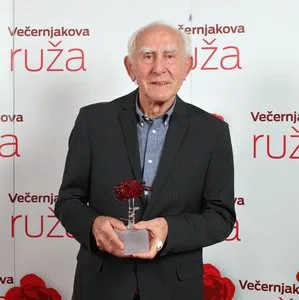
Lessons in Life and Language: Learning Croatian with Mladen Kušec’s Stories
Djeca su najveće bogatstvo, a njihova mašta je beskonačna. U njoj nalazimo i istinu i ljepotu."
(Children are our greatest treasure, and their imagination is infinite. In it, we find both truth and beauty.
- Mladen Kušec
In the world of Croatian literature, Mladen Kušec stands out as a beacon of creativity and warmth. His stories, which have captivated generations, offer more than just entertainment; they are a gateway to understanding the Croatian language and culture. In this blog post, I will explore how Kušec’s simple yet profound tales can be an engaging and effective way to learn Croatian, blending language learning with cultural enrichment.
The Magic of Mladen Kušec’s Stories
Mladen Kušec was a master storyteller who knew how to speak to the hearts of children and adults alike. His narratives, often filled with humor and wisdom, reflect the essence of Croatian life. Stories like Tonkica Palonkica Frrrrrrr and Plavi Kaputić are not only delightful reads, but valuable resources for language learners, as well.
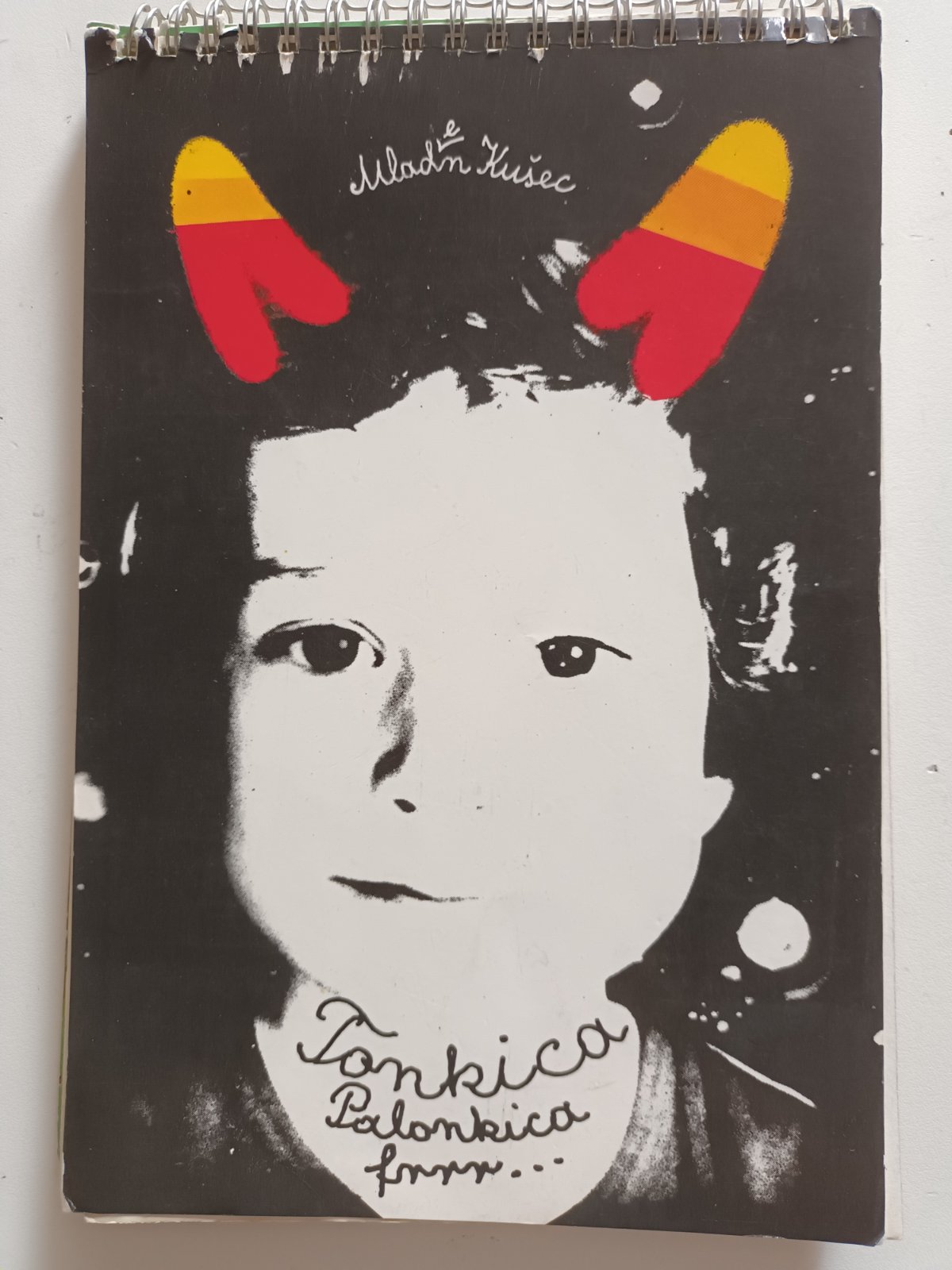
Tonkica Palonkica Frrrrrrr: A Playful Introduction to Croatian
Tonkica Palonkica Frrrrrrr is one of Kušec’s most beloved creations. The playful adventures of the titular ladybug and the signature "frrrrrrr" sound, contributed by Kušec’s own son, captivate young listeners and readers. This story is perfect for beginners as it introduces basic Croatian vocabulary in a fun and memorable way. The repetitive and rhythmic nature of the text helps reinforce language patterns, making it easier for learners to grasp new words and phrases.
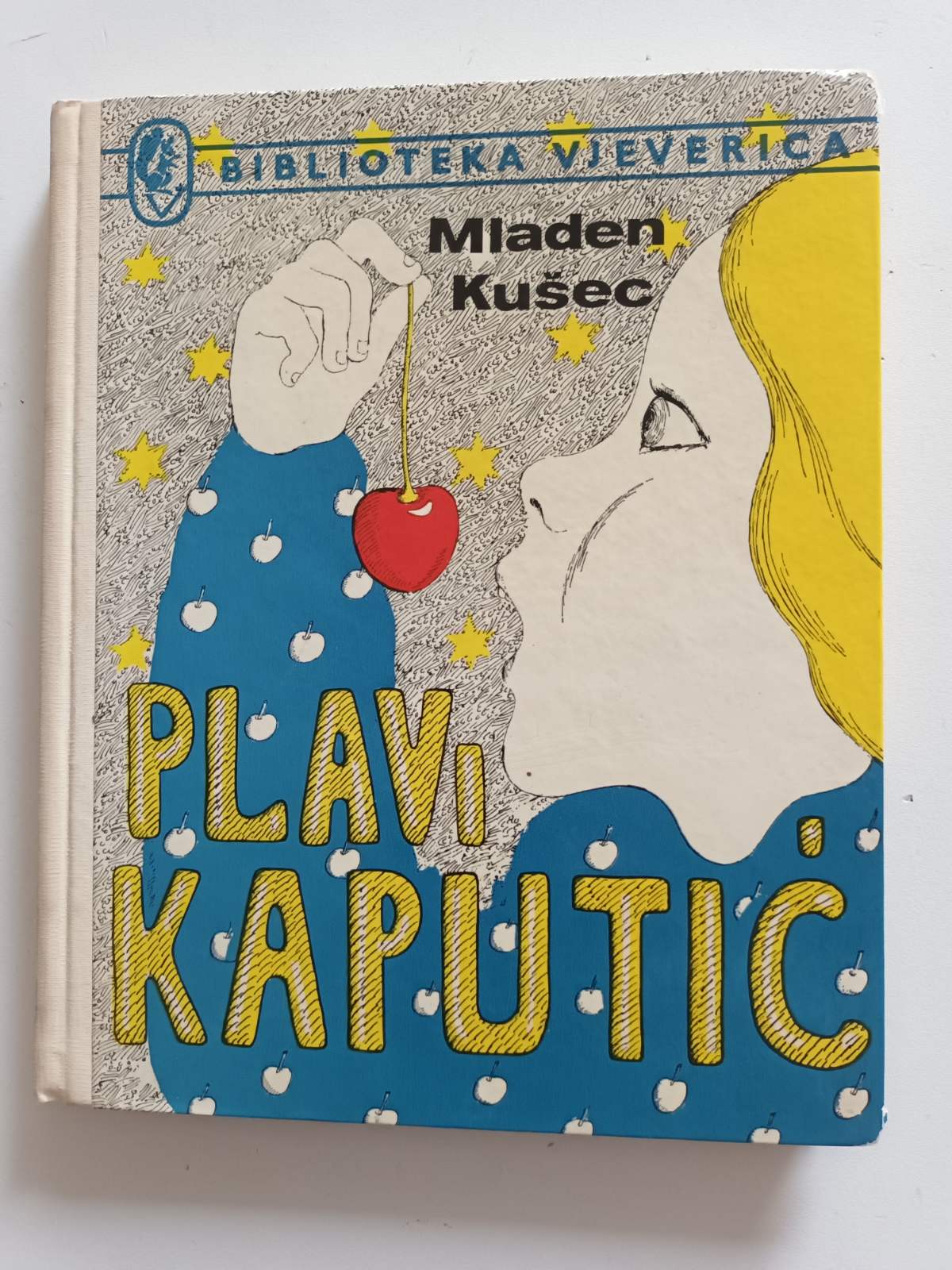
Plavi Kaputić: Emotional Depth and Everyday Language
Plavi Kaputić (The Little Blue Coat) offers a deeper, more emotional narrative that touches on themes of loneliness, friendship, and the complexities of adult life from a child’s perspective. This story is particularly valuable for intermediate learners who want to expand their vocabulary and comprehension. The dialogues between the spirited little girl Ivančica and her neighbor Spavalo are rich with everyday language and idiomatic expressions, providing a practical context for learners to apply their skills.
Learning Through Stories: Why It Works
Using stories to learn a language is an effective method because it combines emotional engagement with cognitive learning. Here’s why Mladen Kušec’s stories are particularly beneficial:
Contextual Learning: Stories provide context, which is crucial for understanding how words and phrases are used in real-life situations. Kušec’s tales are set in familiar, everyday environments, making it easier for learners to relate and apply what they’ve learned.
Cultural Immersion: Language and culture are deeply intertwined. By reading Kušec’s stories, learners get a glimpse into Croatian customs, values, and social norms, enriching their cultural understanding alongside their language skills.
Emotional Connection: Stories evoke emotions, which can enhance memory retention. The emotional depth of Kušec’s narratives ensures that the lessons learned are memorable and impactful.
Engagement and Motivation: The captivating nature of Kušec’s storytelling keeps learners engaged and motivated. His ability to blend humor with life lessons makes the learning process enjoyable and less daunting.
Tips for Learning Croatian with Kušec’s Stories
Read Aloud: Reading stories aloud can help improve pronunciation and fluency. Try mimicking the intonations and rhythms used in the narratives to better capture the natural flow of the language.
Use Flashcards: Create flashcards of new vocabulary words and phrases encountered in the stories. This can help reinforce memory and make it easier to recall words in different contexts.
Discuss the Stories: Engage in discussions about the stories with fellow learners or native speakers. This practice can enhance comprehension and provide a deeper understanding of the cultural nuances embedded in the tales.
Watch Adaptations: If available, watch adaptations of Kušec’s stories in Croatian. Hearing the language spoken in a familiar context can further enhance listening and comprehension skills.
Finally...
Mladen Kušec’s stories are a treasure trove for anyone eager to learn Croatian. They offer a unique blend of language and cultural learning that is both engaging and educational. By diving into these tales, learners can not only improve their Croatian language skills, but also gain a deeper appreciation for the rich cultural heritage of Croatia.
Whether you’re a beginner looking for a playful introduction to Croatian or an intermediate learner seeking to expand your vocabulary, Kušec’s stories provide the perfect platform to enhance your learning journey. Used as I use them in my classes Tonkica Palonkica Frrrrrrr and Plavi Kaputić, and the magic of Mladen Kušec’s storytelling will guide you through the beautiful language of Croatian.
If you were captivated by the stories of Mladen Kušec and his contributions to Croatian culture, you’ll love my in-depth YouTube video on this remarkable figure! 🎥 In the video, I explore Kušec’s life, his lasting impact on Croatian media, and the way his work captured the spirit of everyday people.
👉 Click here to watch and immerse yourself in the legacy of Mladen Kušec.
Discover how his storytelling continues to inspire generations today!
If Tonkica Palonkica felt like the right starting point, the Croatian Entry Point program builds on that same playful, story-driven approach for beginners. And if you're ready to push into Plavi Kaputić territory and beyond, the Croatian Nexus ebook is built for exactly that stage. For more on the storyteller behind these tales, revisit Mladen Kušec: The Voice of Croatian Childhood and Cultural Heritage.
Tihana Klepač is an Associate Professor at the University of Zagreb's Department of English and the founder of TalkTime Croatian. She teaches the Croatian Quadrant™, a structured, culturally immersive course designed to help learners stop translating and start thinking in Croatian. Find out more at: talktimecro.com.
Keep learning Croatian with Tihana
Listen and watch
Ćakula Café podcast, on Spotify — Slow Croatian for heritage speakers and diaspora adults at A2–B1.
Ćakula Café, on Apple Podcasts — The same podcast, for listeners on iPhone and Mac.
Ćakula Café, on Castbox — The same podcast, for listeners who prefer Castbox.
TALK TIME on YouTube — Free Croatian lessons and films, with cultural context.
Podcast episodes on Substack — Audio companions to the Saturday Letters.
Start here, free
Learn Croatian: Where to Start — A beginner’s orientation for adults learning Croatian.
The Free Masterclass — An introduction to the 4-Pillar Method and the logic of Croatian grammar.
The Konoba Test — A short quiz on where you are actually standing in Croatian.
Saturday Letter from Zagreb — A weekly essay on language, culture and belonging, free in your inbox.
Courses and books
Croatian Entry Point — A1 self-study: eight weeks of culture-driven lessons, lifetime access.
The Croatian Quadrant™ — A1–A2 flagship live programme, one cohort a year; join the waitlist.
Level Up Croatian — A2 self-study: daily fifteen-minute lessons in weekly themes.
Short Stories in Croatian — Ebook for A2–B1: nine original stories with audio, glossary and grammar notes.
Croatian Nexus — Post-A2 live seminars: where the language becomes literature.
More Saturday Letters
The Silence Between Generations — What is lost when a language is not passed on, and what can still be recovered.
Coming Home in a Language You Half Remember — The returnee’s wall at the counter, and why the language is closer than you think.
Inat — The word your grandfather lived by, and where it came from.
The Word That Will Not Cross — Why čežnja is not longing and fjaka is not laziness.
Does Croatian Make You Think Differently? — What is real, and what is beautiful nonsense, in the idea that a language shapes a mind.
The Kitchen Was a Language Policy — Why Croatian was, or was not, passed down to you.
What English Does to Your Croatian While You Sleep — Why your grandmother’s Croatian did not stay frozen the day she left.
Why You Feel Like a Different Person in Croatian — Why volim te weighs more than I love you.
You Are Not a Tourist in Your Own Language — The emotional case for coming home one register at a time.
The Konoba Test: Where Are You Actually Standing? — Why “what level is my Croatian” is the wrong question.
The Small Words That Give You Away — Why flawless Croatian can still mark you as a stranger: pa, ma, daj and the third rakija.
The Country Inside the Word Kaj — How the old language of the north became a place you carry.
Slavonia: The Gateway Dialect — The oldest Croatian štokavian is hiding in the east.
Who Gets to Tell the Story — Postcolonial theory, a nineteenth-century pamphlet and your grandmother’s Croatian.
Follow


