From Aristocrats to Fishermen: How Drago Gervais's Poetry Reveals the True Spirit of Opatija
O, večna suzo na oke mojen. Istro moja!
(Oh, eternal tear in my eye. My Istria!)
-- Drago Gervais
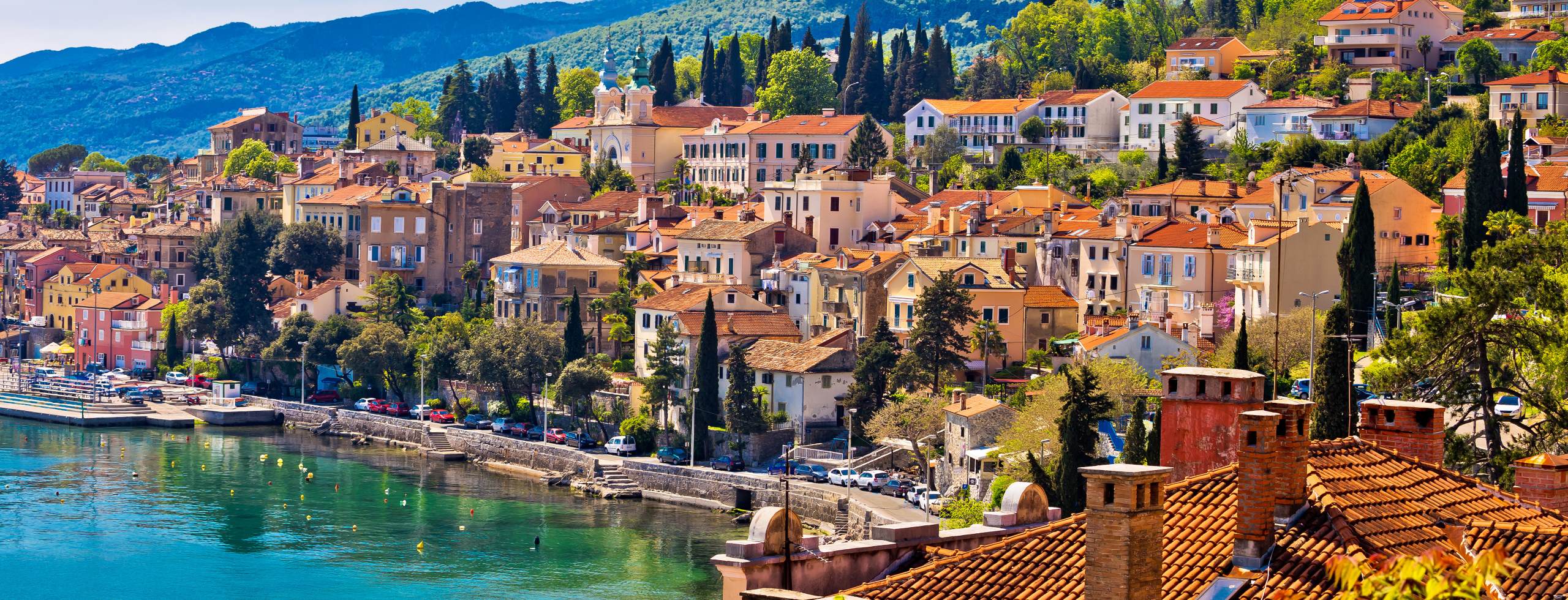
Učka stands over Opatija, and in Pod Učkun Gervais looks at the town from under the mountain: small white houses, like tears. I grew up in that town, between the Čakavian of its streets and the Zagreb speech of my parents, and I read his lines the way a local reads them, hearing the vowels before the meaning. If you want to meet the people who lived in those houses, the grandmothers and the lavanderke, read Unveiling the Hidden Soul of Opatija. If you want the same coast seen half a century earlier, Eugen Kumičić’s Istria is waiting. And if you would like to walk it with me, come along in Walking Opatija.
When most people think of Opatija, they picture an elegant seaside resort, a jewel of the Austro-Hungarian Empire, where aristocrats, artists, and politicians once strolled along its grand promenades. The town’s history is often told through stories of opulent villas, lavish balls, and famous guests like Gustav Mahler and James Joyce. But behind this glamorous facade lies a rich, authentic Croatian culture that is often overlooked—one that Drago Gervais, a renowned Croatian poet, captures beautifully in his work.
Drago Gervais: A Voice for Opatija’s Common Folk
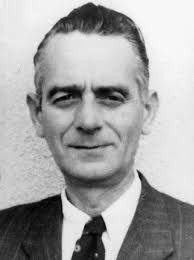
Drago Gervais was born in Opatija in 1904, at a time when the town was still part of the Austro-Hungarian Empire. While Opatija’s reputation was built on its appeal to the elite, Gervais’s poetry shines a light on the lives of the everyday people who lived and worked there—fishermen, shepherdesses, laundry women, and market vendors. His work, particularly in the Chakavian dialect, offers a glimpse into the world of these locals, a world that existed in the shadows of the town’s more famous residents.
Pod Učkun
Under Učka, little houses,
white,
small, like big
tears.
White walls, red roofs,
where sparrows
sing.
Little valleys, even smaller fields
where women
work.
White paths, narrow trails,
where carriages
pass by,
and a small, narrow stream,
where children
play.
The houses warm
in the sun,
as the church bells
ring.
But to truly appreciate the depth and beauty of Gervais’s work, one must read it in the original Chakavian dialect. This dialect, spoken in parts of Istria and the Kvarner region, carries with it the rhythms and melodies of the Croatian language. It is a language that, like the people Gervais writes about, has endured through centuries of change and upheaval. Translations can offer a glimpse into Gervais’s world, but they can never fully capture the nuances and richness of the original language.
Pod Učkun kućice
bele,
miće, kot suzice
vele.
Beli zidići, črjeni krovići
na keh vrapčići
kantaju.
Mići dolčići, još manje lešice
na keh ženice
kopaju.
Cestice bele, tanki putići,
po keh se vozići
pejaju,
i jedna mića, uska rečica,
pul ke se dečica
igraju.
Na sunce se kućice
griju,
na turne urice
biju.
For those with Croatian roots, learning the language is more than just a way to connect with your heritage—it’s a way to unlock a deeper understanding of the culture and history of places like Opatija. Gervais’s poetry is a testament to the strength and resilience of the Croatian people, and by learning the language, you can experience this heritage in a way that is both personal and profound.
Opatija is a town of contrasts—of grand hotels and humble homes, of aristocrats and fishermen. Drago Gervais’s poetry bridges these worlds, revealing the true spirit of the town through the lives of its everyday people. If you’ve ever felt a connection to Croatia or a desire to explore your roots, there’s no better place to start than by learning the language. By doing so, you’ll not only gain access to the works of Gervais and other Croatian writers, but you’ll also discover a deeper connection to the land, the culture, and the people who have shaped it.
Through the language, you’ll not only connect with your past but also gain a new appreciation for the vibrant culture that continues to thrive in places like Opatija. The stories of fishermen, shepherds, and market vendors are waiting to be discovered—let the poetry of Drago Gervais be your guide.
If Gervais's Chakavian verses moved you, Unveiling the Hidden Soul of Opatija explores how this same poetry reveals the town's soul beneath its aristocratic veneer. And if you're ready to read poems like these in the original rather than in translation, the Croatian Nexus ebook is built for exactly this kind of B-level exploration of literary Croatian.
Tihana Klepač is an Associate Professor at the University of Zagreb's Department of English and the founder of TalkTime Croatian. She teaches the Croatian Quadrant™, a structured, culturally immersive course designed to help learners stop translating and start thinking in Croatian. Find out more at: talktimecro.com.
Keep learning Croatian with Tihana
Listen and watch
Ćakula Café podcast, on Spotify — Slow Croatian for heritage speakers and diaspora adults at A2–B1.
Ćakula Café, on Apple Podcasts — The same podcast, for listeners on iPhone and Mac.
Ćakula Café, on Castbox — The same podcast, for listeners who prefer Castbox.
TALK TIME on YouTube — Free Croatian lessons and films, with cultural context.
Podcast episodes on Substack — Audio companions to the Saturday Letters.
Start here, free
Learn Croatian: Where to Start — How I teach, and which programme to start with.
The Free Masterclass — An introduction to the 4-Pillar Method and the logic of Croatian grammar.
The Konoba Test — A short quiz on where you are actually standing in Croatian.
Saturday Letter from Zagreb — A weekly essay on language, culture and belonging, free in your inbox.
Courses and books
Croatian Entry Point — A1 self-study: eight weeks of culture-driven lessons, lifetime access.
The Croatian Quadrant™ — A1–A2 flagship live programme, one cohort a year; join the waitlist.
Level Up Croatian — A2 self-study: daily fifteen-minute lessons in weekly themes.
Short Stories in Croatian — Ebook for A2–B1: nine original stories with audio, glossary and grammar notes.
Croatian Nexus — Post-A2 live seminars: where the language becomes literature.
More Saturday Letters
The Silence Between Generations — What is lost when a language is not passed on, and what can still be recovered.
Coming Home in a Language You Half Remember — The returnee’s wall at the counter, and why the language is closer than you think.
Inat — The word your grandfather lived by, and where it came from.
The Word That Will Not Cross — Why čežnja is not longing and fjaka is not laziness.
Does Croatian Make You Think Differently? — What is real, and what is beautiful nonsense, in the idea that a language shapes a mind.
The Kitchen Was a Language Policy — Why Croatian was, or was not, passed down to you.
What English Does to Your Croatian While You Sleep — Why your grandmother’s Croatian did not stay frozen the day she left.
Why You Feel Like a Different Person in Croatian — Why volim te weighs more than I love you.
You Are Not a Tourist in Your Own Language — The emotional case for coming home one register at a time.
The Konoba Test: Where Are You Actually Standing? — Why “what level is my Croatian” is the wrong question.
The Small Words That Give You Away — Why flawless Croatian can still mark you as a stranger: pa, ma, daj and the third rakija.
The Country Inside the Word Kaj — How the old language of the north became a place you carry.
Slavonia: The Gateway Dialect — The oldest Croatian štokavian is hiding in the east.
Who Gets to Tell the Story — Postcolonial theory, a nineteenth-century pamphlet and your grandmother’s Croatian.
Follow
- Custom HTML/CSS/JavaScript